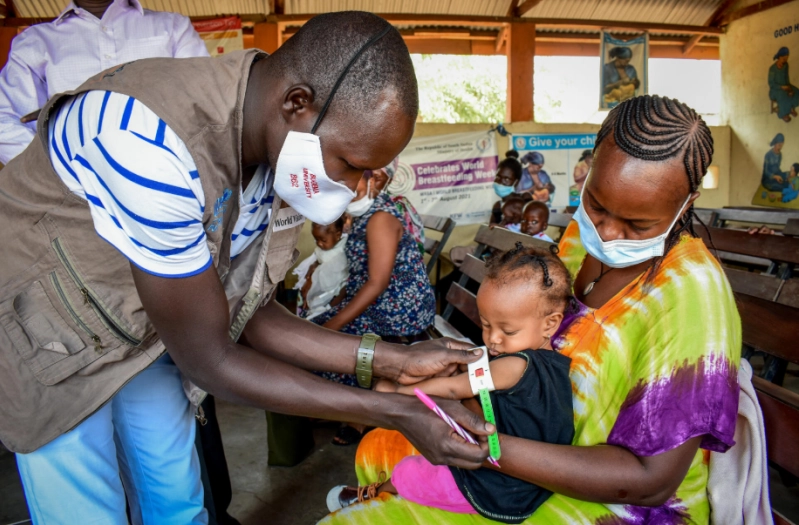
African Christian health groups have welcomed a major new United States commitment to faith-based health care, yet they say they are still waiting for clarity on how their local hospitals, clinics, and community programs will actually take part in the funding. The announcement arrived in mid August 2026 and carries wide significance for the continent.
According to Christian Daily International, the United States pledged nearly $2 billion in health and humanitarian assistance channeled through faith-based organizations, with nearly $1.4 billion earmarked over five years for health partnerships. Leaders across Zambia, Ghana, Uganda, and Malawi responded with cautious hope.
The central question is not whether the money exists, but whether it will reach the local Christian institutions that already run care in underserved communities. For now, those groups say the announcement is only the beginning of a longer conversation.
African Christian Health Groups: Key Takeaway
- African Christian health leaders welcome nearly $1.4 billion in new US faith-based health funding but await clear answers on their local role.
Guard your good name as you serve online.
Ministry and health workers handle sensitive records daily, so consider using Optery’s personal data removal service to clear your details from data broker sites.
What the United States Announced
The United States described the commitment as a historic expansion of its partnership with religious groups. As reported by Christian Daily International, nearly $1.4 billion of the total is set aside over five years specifically for health partnerships with faith-based and community organizations.
The announcement matters most for Africa. Across the continent, Christian organizations operate hospitals, clinics, and community health programs, and many have partnered with international donors for years to serve communities that governments alone cannot reach.
The funding is being organized under a new structure called the Faith and Community Initiative. It represents a deliberate shift in how Washington intends to route global health money, placing faith-based groups nearer the center of the plan.
The Role of World Vision
Under the initiative, World Vision will serve as the prime recipient of an $850 million award. The organization has initially signed a one-year agreement worth $250 million with the US government, a first step within the larger commitment.
The program is expected to support more than 2,500 faith-based hospitals, clinics, and community hubs. It also aims to train, equip, and pay more than 30,000 community health workers across 17 countries, a scale that could touch many corners of the continent.
World Vision’s consortium is broad. According to the reporting, it includes ADRA International, Catholic Relief Services, Compassion International, HOPE Worldwide, International Care Ministries, LifeNet International, and World Relief.
How the Money Is Divided
The US State Department said at least 80 percent of resources under the initiative will go toward frontline health services. That emphasis is meant to keep the money close to patients rather than absorbed by administration.
A further $570 million is expected to be included in bilateral health agreements between the United States and individual countries. These country by country deals will shape much of how the funding actually lands in each nation.
The full five-year commitment is not guaranteed. The US government has made clear that future awards will depend on congressional appropriations, which means the plan remains subject to decisions in Washington.
What Local Leaders Are Saying
African faith-based health leaders say the announcement is only the start, not the finish. Their responses mixed gratitude with a plain request for detail on how the funding will work in practice.
Karen Sichinga, chief executive officer of the Churches Health Association of Zambia, said African faith-based organizations had been part of discussions with US officials before the announcement. She said they had specifically pushed for funding to be set aside for local organizations.
“We are extremely happy that has happened because that was what we were lobbying for,” Sichinga said during a webinar of African Christian health leaders, according to Devex.
Zambia Awaits Its Agreement
Sichinga said Zambia’s health sector is still waiting for clarity about how the funding will be implemented. Zambia has not yet signed a bilateral health agreement with the United States, though negotiations are continuing.
She said the association’s engagement with US officials began the previous November and continued into April, including talks with State Department officials. She expects greater clarity about the role of local faith-based organizations once Zambia’s bilateral agreement is completed.
Ghana Calls for Direct Funding
Peter Yeboah, executive director of the Christian Health Association of Ghana, also welcomed the announcement. He said his organization does not yet know what role it will have in carrying out the new US funding.
“We welcome the development of the U.S. government supporting faith-based institutions,” Yeboah said, according to Devex.
Yeboah said he remained hopeful that Ghana’s bilateral agreement with the United States would give direction. He also called for funding to be allocated directly to local faith-based organizations rather than being channeled only through national governments.
Diversifying Support Across the Continent
The situation differs from country to country. Uganda has signed a memorandum of understanding with the United States, and faith-based leaders there have taken part directly in discussions with US officials.
Fred Sheldon Mwesigwa, bishop of Ankole Diocese in the Church of Uganda, said he had previously worried about the impact of reduced foreign aid on Uganda’s health services, particularly HIV programs. His concern reflects the fragile position many programs occupy.
Mwesigwa cautioned that the new funding should not cause African countries to become dependent on one source of foreign assistance. “There are other alternatives, but we have to be engaged,” he said.
He pointed to Uganda’s efforts to obtain medical equipment from China as one example of countries seeking alternative sources of health financing.
Malawi’s Clearer Path
Malawi appears to have a more clearly defined role. Doug Fountain, executive director of Christian Connections for International Health, told Devex that the Christian Health Association of Malawi is expected to have an implementing role in delivering US health assistance.
Malawi has signed a memorandum of understanding with the United States, which may explain the greater clarity there. The contrast among countries shows how much depends on each bilateral arrangement.
The Question of Local Access
The uncertainty reflects a larger question about the US government’s new approach to global health funding.
Washington has emphasized a greater role for faith-based organizations, yet locally based groups worry about whether they will receive direct access to resources or remain several steps removed from the main funding agreements.
World Vision defended the consortium model. A spokesperson said local organizations often do not have the resources or capacity to contract directly with the US government, which is why larger organizations take on that responsibility.
The organization said the consortium would allow larger groups to handle implementation while helping local groups build their capacity to receive funding in the future. World Vision said its partners have longstanding relationships with Christian health associations and other local faith-based organizations.
According to the organization, local groups will take part in a cocreation process, and many will be selected as direct implementers of the initiative.
Why It Matters for Believers
This story sits at the meeting point of practical care and Christian stewardship. Beyond the figures, it raises questions many believers face about provision, patience, and faithful service.
Provision and Trust
For the communities served by these hospitals and clinics, the funding could mean real access to care that saves lives. Scripture reminds believers that God is a provider, and Philippians 4:19 says:
And my God shall supply all your need according to His riches in glory by Christ Jesus.
Many Christians see reliable provision for the needs of a community as an expression of that promise at work through willing hands.
At the same time, the leaders quoted here model a healthy balance. They give thanks for the commitment while asking honest questions, holding gratitude and discernment together rather than choosing only one.
Stewardship of Resources
The concern that money should reach frontline services echoes a deep biblical value. Faithful stewardship means resources are handled with care and directed toward those they are meant to serve.
The emphasis that at least 80 percent should reach frontline health work speaks to that same instinct for accountability.
Bishop Mwesigwa’s warning against dependence on a single source also reflects wisdom. Believers are often encouraged to plan prudently and to hold earthly provision with open hands, trusting God as the ultimate source even while stewarding practical partnerships.
Patience in the Waiting
Perhaps the clearest spiritual thread is the theme of waiting for clarity. Leaders in Zambia and Ghana welcome the news yet wait for the details that will shape their role.
Many believers know that tension of a promise given but not yet fully seen. Habakkuk 2:3 encourages patience: the vision “will surely come, it will not tarry,” a reminder that trusting in God’s timing can steady the heart during seasons of uncertainty.
This posture of active, hopeful waiting reflects a faith that keeps serving even before every answer arrives.
Steward what is entrusted to you with care.
Ministries safeguarding patient records and donor data may benefit from IDrive cloud backup for safekeeping, or Tresorit encrypted storage to protect sensitive files.
Looking Forward
The new US commitment to faith-based health care is significant in scale, with nearly $1.4 billion set aside over five years and thousands of Christian facilities potentially in view. World Vision leads the consortium as prime recipient, and the plan reaches across 17 countries.
Yet the story remains unfinished. Leaders in Zambia, Ghana, Uganda, and Malawi welcome the direction while pressing for clarity on how local groups will participate. Much now depends on the bilateral agreements still being negotiated and on future decisions in Washington.
For African Christian health workers, the coming months will reveal whether the promise becomes practical access. Their measured response, thankful yet watchful, offers a model of hope held with wisdom as they continue to serve the communities in their care.
Protect the trust placed in your ministry’s hands.
Teams handling shared logins can secure them with Passpack team password manager or 1Password, and guard inboxes against deception through EasyDMARC email security.
Questions Worth Answering
How much is the United States committing to faith-based health work?
- The United States announced nearly $2 billion in health and humanitarian assistance through faith-based organizations, with nearly $1.4 billion earmarked over five years for health partnerships.
What is the Faith and Community Initiative?
- It is the new structure organizing the funding, under which World Vision serves as the prime recipient of an $850 million award.
What has World Vision agreed to so far?
- World Vision has initially signed a one-year agreement worth $250 million with the US government as a first step within the larger $850 million award.
How many facilities and workers could the program reach?
- The program is expected to support more than 2,500 faith-based hospitals, clinics, and community hubs and to train, equip, and pay more than 30,000 community health workers across 17 countries.
Why are local African groups uncertain about their role?
- Leaders say they welcome the funding but do not yet know how it will be implemented, since much depends on bilateral agreements and whether resources reach local groups directly.
Which countries have signed agreements with the United States?
- Uganda and Malawi have signed memorandums of understanding, while Zambia has not yet signed a bilateral health agreement, though negotiations are continuing.
What did leaders say about frontline services?
- The US State Department said at least 80 percent of resources under the initiative will go toward frontline health services, with a further $570 million expected in bilateral health agreements.
Why does World Vision use a consortium model?
- A World Vision spokesperson said local organizations often lack the resources or capacity to contract directly with the US government, so larger organizations handle implementation while helping local groups build capacity.
Is the full five-year commitment guaranteed?
- No. The US government has said future awards will depend on congressional appropriations, meaning the full commitment remains subject to decisions in Washington.
What concern did Bishop Mwesigwa raise?
- Fred Sheldon Mwesigwa cautioned that the funding should not make African countries dependent on a single source of foreign assistance, pointing to Uganda’s search for alternatives such as medical equipment from China.